Travel Guide
Ayubia National Park from Nathia Gali: 2026 Visitor Guide
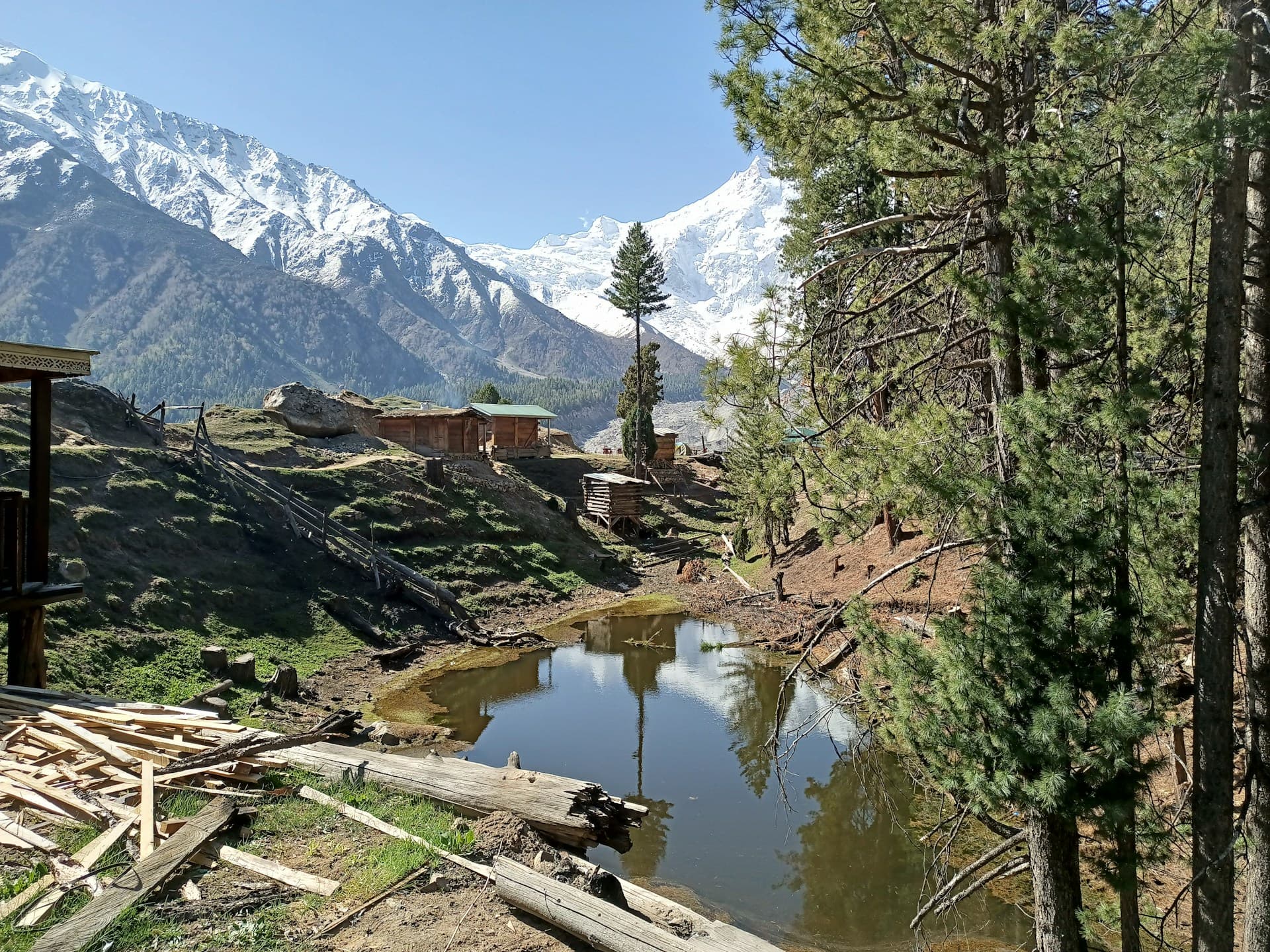
Everything you need to know about visiting Ayubia National Park from Nathia Gali — the Pipeline Track, chairlift, wildlife, trails, entry fees, timings and the best things to do.
Ayubia National Park sits at the southern end of the Pipeline Track from Dunga Gali — 4 kilometres of pine forest walking that ends with coffee at Gloria Jeans and a chairlift over the forest canopy. From Nathia Gali, it is the obvious day trip: close enough to reach comfortably in the morning, different enough from Nathia Gali itself to feel like a proper excursion, and offering the specific combination of a long forest walk and a functioning cable car that no other spot in the Galyat region provides.
Ayubia is also one of the most searched travel destinations in Pakistan. Anyone planning a Galyat trip has heard of the Pipeline Track. What is less well known is what Ayubia National Park actually contains beyond the chairlift, what wildlife genuinely lives there, what the entry situation involves, which trails go where inside the park, and what to do when the chairlift is out of service — which it is often enough to plan around.
This guide covers all of it.
What Ayubia National Park Is and Why It Matters
Ayubia National Park was established in 1984 and covers approximately 3,312 hectares of the Galyat hills between Nathia Gali, Dunga Gali, Ghora Dhaka, and Khaira Gali. It protects a significant section of the sub-Himalayan pine and oak forest that once covered these hills continuously but has been heavily degraded by settlement, timber extraction, and tourism pressure outside the park boundaries.
Within the park, the forest has been allowed to develop without the commercial pressures affecting the surrounding land. The result is denser, older, and richer forest than you see outside the park boundaries. The understory is more complex. The wildlife population is genuinely different — the park supports populations of the common leopard, Himalayan black bear, rhesus macaque, yellow-throated marten, and over 200 bird species including the khalij pheasant, koklass pheasant, mountain hawk-eagle, and numerous warblers, flycatchers, and babblers.
Most visitors see a fraction of this. The chairlift, the main Ghora Dhaka area, and the Pipeline Track terminus are what most people experience. The park contains significantly more than this, and knowing where to look changes what the visit produces.
Getting to Ayubia from Nathia Gali
Ayubia is 8 kilometres from Nathia Gali by road — a 12 to 15 minute drive on the main Murree-Nathia Gali Highway heading south through Dunga Gali. The drive itself is scenic, passing through the forest sections between the two towns with several open viewpoints.
By car (recommended): Drive south from Nathia Gali toward Murree. Pass through Dunga Gali town (4km from Nathia Gali). Continue 4km further to the Ayubia/Ghora Dhaka junction and follow signs to the chairlift station or park entrance. Parking is available at the main visitor area.
Via the Pipeline Track (the better option): Walk the Pipeline Track from Dunga Gali — starting 4km south of Nathia Gali — through 4 kilometres of forest to arrive at the Ayubia end. This is the classic approach and significantly more rewarding than the road. The walk takes 45 minutes to 90 minutes, depending on pace. Return by taxi or local van from Ayubia to Dunga Gali or Nathia Gali (PKR 300-500, 10-15 minutes).
The 48-hour Nathia Gali itinerary builds the Pipeline Track walk into Day 2 of the schedule — it is the single activity that most consistently earns the 'we would definitely do this again' response from visitors who follow that plan.
| Route | Distance | Time | Best For |
|---|---|---|---|
| Road (car) | 8km from Nathia Gali | 12-15 mins drive | Groups with elderly visitors or young children; quick day trip; chairlift-only visits |
| Pipeline Track (walking) | 4km from Dunga Gali | 45-90 mins one way | The primary experience — forest walk plus Ayubia end facilities; return by taxi |
| Combination (drive Dunga Gali, walk Pipeline, taxi return) | 4km walk | 45-90 mins walk + taxi | Best option — avoids driving the full route and adds the walk experience |
The Pipeline Track: The Walk That Makes Ayubia
The Pipeline Track is one of the most significant walking experiences in Pakistan for a mainstream travel audience. It is not technically demanding — the path is almost entirely flat, clearly marked, and wide enough for two people to walk side by side comfortably. Its significance is in what it delivers: an hour in dense pine and oak forest above the Abbottabad valley, with the particular quiet of a trail that absorbs sound and the particular cool of forest shade at 7,000 feet elevation.
The trail follows the route of an underground pipeline installed during the British colonial period to carry spring water from the Galyat mountains to Murree. The pipeline still functions. In a few places you can see where it surfaces or where the maintenance access points break the surface — small reminders that the walk is above a piece of Victorian engineering still doing its job more than a century later.
What You See at Each Stage
Starting at Dunga Gali (0km): The trailhead is well-marked off the main road in Dunga Gali town. A small entry fee is charged by the forest department. The forest closes around you within the first 200 metres and the road noise fades within 5 minutes of starting. The initial section is dense pine with a rich understory of ferns, mosses, and low shrubs.
Kilometre 1-2 (the forest immersion section): This is the densest part of the trail — the forest overhead closes into a full canopy, the light becomes dappled, and the path feels genuinely remote despite being a few hundred metres from a paved road. Birdlife is richest here. In spring and summer, warblers and flycatchers are constant. Year-round, the yellow-billed magpie and Himalayan treepie are resident and easily seen.
Kilometre 2-3 (the view section): The forest opens periodically on the valley side to reveal views of the Abbottabad district below and the Pir Panjal range across the valley. These are the most photographed sections of the trail. On clear days — best in October and after February snowfall — the views extend to snow-capped peaks.
The Motto Tunnel (near kilometre 3.5): A short colonial-era stone tunnel that passes through a ridge — one of the more distinctive features of the trail. Children find it particularly memorable. The tunnel is not long enough to require a torch but it is dark enough to make the exit into daylight feel dramatic.
Arriving at Ayubia (4km): The trail exits into the Ghora Dhaka area of Ayubia National Park and the main visitor facilities. Gloria Jeans café sits at the trail end with valley views from its terrace — one of the more unexpected coffee experiences in Pakistan. The chairlift station is a short walk from the café.
The Ayubia Chairlift: What to Expect Honestly
The Ayubia chairlift runs between Ghora Dhaka and Dunga Gali, carrying passengers in open double-seat chairs over the forest canopy. The journey takes approximately 10 to 15 minutes and provides an aerial perspective on the pine forest that is simply not achievable on foot. On a clear day, the views of the valley from the chairlift are exceptional.
The honest context: the chairlift is frequently out of service. This is not an occasional inconvenience — the chairlift has a pattern of closure for maintenance, mechanical issues, and weather-related stoppages that means planning a visit specifically around using the chairlift is risky. Before making it the centrepiece of your Ayubia trip, check whether it is operational on the day you are travelling.
When it is running, the queue during peak season (July-August weekends) can be 1 to 2 hours. If the chairlift is running and the queue is acceptable, do it. The view is worth the wait if you have time to spare. If the queue is long and you have already walked the Pipeline Track, the forest walk itself is the stronger experience.
- Chairlift operating hours (when running): Approximately 9am to 5pm. Hours vary by season and operational status.
- Ticket price: Varies by season — typically PKR 400-600 per person return as of 2026. Confirm at the station.
- Best time to use it: Weekday mornings outside peak summer. The queue is shortest and the light is best for the views.
Ayubia National Park Beyond the Chairlift: Trails and Wildlife Areas
Most visitors see the Pipeline Track end and the chairlift area. The park contains several additional trails and areas that the day-trip crowd rarely reaches and that are worth knowing about for visitors with more than a few hours.
Khaira Gali Trail
Khaira Gali is the northernmost of the Galyat towns and sits within the park boundary at approximately 8,500 feet. A trail connects Khaira Gali to the main Ayubia area through forest that sees very few visitors. The trail passes through older forest than the Pipeline Track corridor, where the tree density and ground vegetation are more complex. This is the section of the park where wildlife encounters — particularly monkeys, and occasionally the yellow-throated marten — are most likely. Allow 2 to 3 hours for the Khaira Gali section and return by road.
Ghora Dhaka Nature Trail
A short nature trail (approximately 1.5km) runs from the main Ghora Dhaka visitor area into the park forest, passing interpretive signs about the park's ecosystems and wildlife. This is the family-appropriate forest walk within Ayubia itself — shorter and fully marked, appropriate for younger children, and a good introduction to the park's ecology for visitors who have not done the Pipeline Track.
Birdwatching in Ayubia
Ayubia National Park is one of the more significant birdwatching sites in northern Pakistan, particularly during the spring and autumn migration periods. The park's forest interior hosts breeding populations of the khalij pheasant (most easily seen at dawn), koklass pheasant, Himalayan monal pheasant (at higher elevations), multiple warbler species, flycatchers, raptors including the mountain hawk-eagle, and the European roller on migration.
The early morning hours in the Khaira Gali section and the forest interior away from the chairlift and Pipeline Track area are the most productive for birdwatching. A visit on a quiet weekday, starting at dawn before the day-visitor crowd arrives, produces encounters that a peak-season afternoon visit does not.
The complete things to do in Nathia Gali guide covers other wildlife and outdoor experiences in the broader Galyat area alongside the park activities covered here.
Practical Information: Entry, Timings, Facilities
| Information | Details |
|---|---|
| Park entry fee | Nominal fee charged at main entrance — typically PKR 50-100 per person |
| Pipeline Track entry fee | Separate small fee at Dunga Gali trailhead — charged by forest department |
| Opening hours | Dawn to dusk for trail access; visitor facilities typically 8am-6pm in summer |
| Food and drink | Gloria Jeans café at Ayubia end of Pipeline Track; local food stalls near chairlift area; bring water for any trail longer than the Pipeline Track |
| Toilets | Available at the main Ghora Dhaka visitor area; none on trails |
| Phone signal | Variable — reasonable at main visitor areas, drops on interior trails |
| Wheelchair/pram access | Pipeline Track is accessible to prams in dry conditions; no other trails are accessible |
| Parking | Available at Ghora Dhaka main area; limited on busy weekends |
Combining Ayubia with a Full Nathia Gali Visit
Ayubia works best as part of a multi-day Nathia Gali stay rather than as a standalone day trip from Islamabad. The 8km road trip from Nathia Gali makes it a natural second-day activity — stay in Nathia Gali the first night, walk the Pipeline Track on the second morning, and spend the afternoon at the Ayubia visitor area before returning. This is the itinerary that gets the most out of both destinations.
For visitors doing a single overnight stay in Nathia Gali, the Ayubia half-day fits naturally into a Day 1 afternoon arrival, Day 2 full activity, Day 3 departure structure. The Pipeline Track walk and Ayubia exploration take a comfortable half-day from 8 am to 1 pm, leaving the afternoon free for Nathia Gali bazaar or resort time.
The 48-hour Nathia Gali itinerary includes the Pipeline Track and Ayubia on Day 2 with specific timings for the walk and the café stop. The first-time visitors guide has an honest assessment of what to prioritise on a short trip — the Pipeline Track is the single recommendation for visitors who can only do one activity.
Seasonal Guide: When Ayubia Is at Its Best
| Season | Pipeline Track | Chairlift Status | Wildlife Activity | Crowd Level |
|---|---|---|---|---|
| March-April (Spring) | Excellent — wildflowers, fresh green, birdlife peak | Usually operational, short queues | High — spring migration, breeding activity | Low — ideal conditions |
| May-June (Late Spring/Early Summer) | Very good | Usually operational | Good | Growing — manageable until mid-June |
| July-August (Peak Summer) | Very good — lush | Operational but long queues on weekends | Moderate | Heavy — long queues, crowded trails on weekends |
| September-October (Autumn) | Excellent — autumn colours | Usually operational | Good — autumn migration begins | Low-moderate — strongly recommended |
| November (Late Autumn) | Good — quiet | Often closing for winter | Moderate | Very low |
| December-February (Winter) | Possible but cold, potentially icy | Closed | Low | Very low |
Frequently Asked Questions
How long does the Ayubia chairlift take?
The chairlift ride itself takes approximately 10 to 15 minutes between Ghora Dhaka and Dunga Gali. Queue time varies significantly — 15 minutes on a quiet weekday to 2 hours on a peak summer weekend. The ride is worth doing if the queue is under 30 minutes. It is worth skipping and substituting the Pipeline Track walk (a significantly better experience) if the queue is long.
Can I do the Pipeline Track with young children?
Yes, with children aged 5 and above. The trail is flat, wide, and clearly marked. The surface is natural dirt and can be muddy after rain. For children aged 4 to 5, the full 4km may be too long — walk the first 1.5 to 2km and return rather than attempting the full length. Bring water and snacks; there are no facilities until the Ayubia end.
What wildlife can I actually expect to see?
Rhesus macaques are almost certain — they are common and visible throughout the park. Yellow-billed magpies and Himalayan treepies are resident and visible year-round on the Pipeline Track. Common leopard and Himalayan black bear are present in the park but very rarely seen by daytime visitors on main trails — their activity is concentrated in the forest interior and at dawn and dusk. Bird species are abundant and visible with any effort in spring.
Is Ayubia suitable for an elderly visitor?
The main chairlift area and the Ghora Dhaka visitor section are accessible by road and require minimal walking. The Pipeline Track is flat and suitable for elderly visitors in reasonable health — the 4km length is the main consideration, and the 1 to 1.5km forest section near the Dunga Gali start is beautiful without requiring the full length.
PLAN YOUR AYUBIA DAY TRIP FROM SERENE HEIGHTS
Serene Heights sits 8 kilometres from Ayubia National Park — Pipeline Track, Mukshpuri, and Galyat trails within easy reach.
Contact the Serene Heights team via the contact page to plan your visit. See also: About Serene Heights · amenities · How to get to Nathia Gali.
Interested in Serene Heights?
Get in touch with our team to learn more about Smart Property Units, payment plans, and site visits.
Contact Us