Travel Guide
Nathia Gali in Spring: March, April and May Guide (2026)
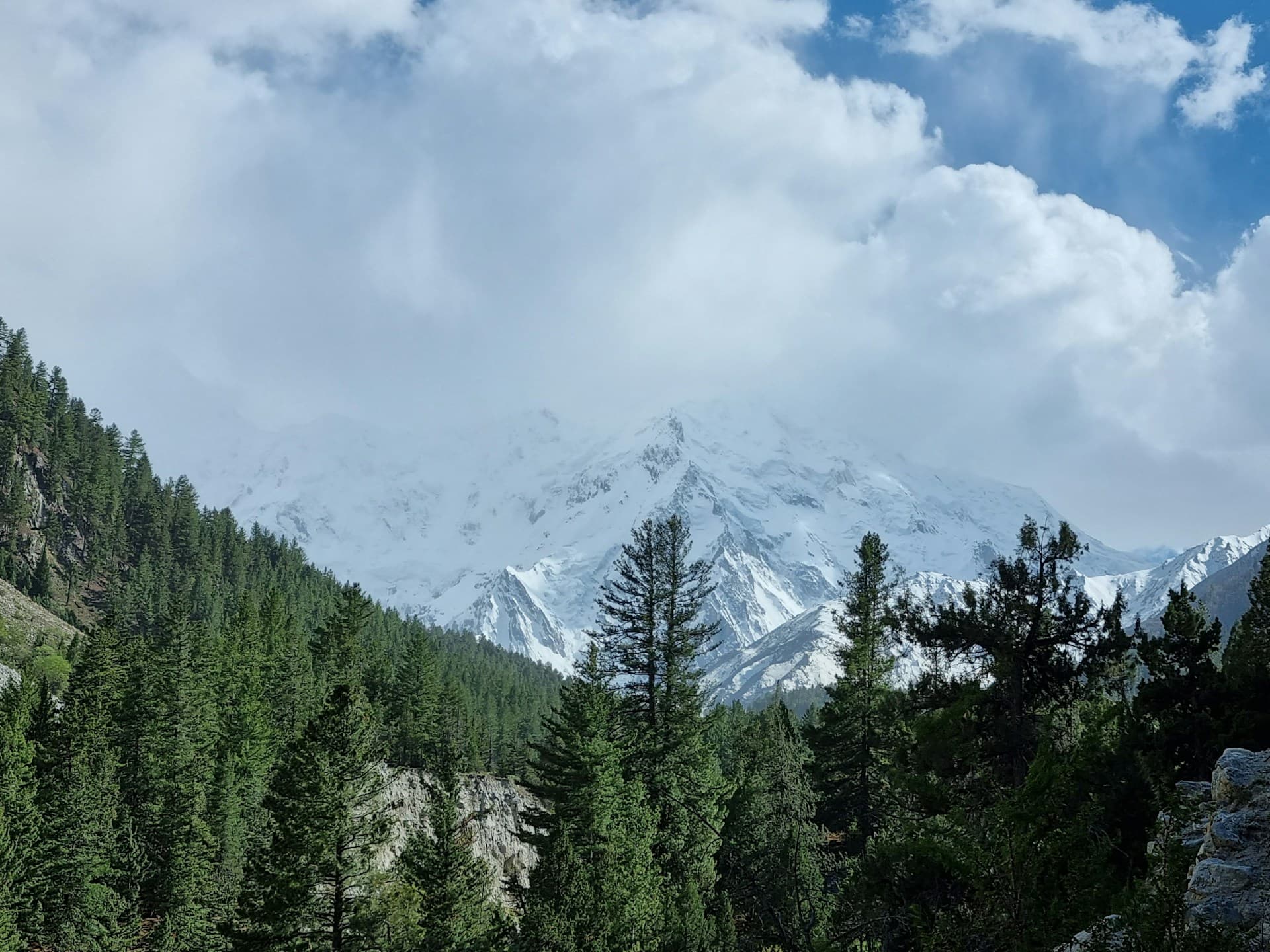
Spring is Nathia Gali's most beautiful and least crowded season. This guide covers what to expect in March, April and May — wildflowers, trails, weather and why spring visitors always come back.
Most people who visit Nathia Gali in spring come back the following year and tell everyone they know to go in spring. It is that kind of season. The crowds that define the summer hill station experience have not yet arrived. The snowfall that closes roads in January is mostly gone. The forest is waking up, the wildflowers are opening, the trails that were icy in winter are clear and walkable, and the air has the particular quality of mountain spring — clean, cool, faintly green.
Spring is also the season that the blog posts and travel articles consistently underserve. Everyone writes about the summer rush and the winter snowfall. Fewer people write about the 12 to 14 weeks between late February and late May when Nathia Gali is arguably at its best. This guide covers those weeks specifically — what happens in each month, what the weather actually does, which activities open when, and why the families and couples who figure out spring will not go back to peak summer.
Why Spring Is Nathia Gali's Best-Kept Secret
The case for spring is not complicated. The temperatures are the most comfortable of any season — afternoons in the low 20s Celsius, mornings cool enough to require a jacket, evenings crisp but not cold enough to be uncomfortable without preparation. The trails are fully accessible and at their most scenic, with the wildflower meadows below Mukshpuri in April representing the best single landscape Nathia Gali produces. The accommodation is available at lower prices than peak summer. And the people who have discovered spring are not the kinds of numbers who turn the Pipeline Track into a parade.
There is another reason that is harder to articulate but consistently mentioned by people who visit in both seasons: spring feels like discovering somewhere. The bazaar is quieter. The forest paths are yours to walk. The mountain has not yet switched into its summer tourist mode. You are not competing for a table at the dhaba or a place to stand at the Changla Gali viewpoint.
Our guide to the best time to visit Nathia Gali gives the full seasonal picture with month-by-month recommendations. Spring features prominently, and this guide goes considerably deeper into what each spring month specifically delivers.
March in Nathia Gali: The Transition Month
March is the most variable spring month. Early March at 7,906 feet still carries the tail of winter. Snow from January and February has largely melted from the main areas, but the upper trail sections — Miranjani above the Namli Maira junction, the summit plateau of Mukshpuri — can still carry icy patches through the first two weeks of March. Night temperatures regularly drop to 2 to 5 degrees Celsius. The forest looks more grey than green. It is beautiful in an austere way.
By mid-March the shift becomes visible. The first flowers appear on the lower meadows. The pine and oak forest begins its new growth, the pale new needles and leaves creating colour against the old dark green. The daytime temperature climbs to 15 to 18 degrees Celsius by late March. The trails are fully walkable. The Pipeline Track, which is the most all-season trail in the area, is excellent in March — quiet, the forest still winter-bare enough to see further into the trees, and occasionally dramatic with morning mist that does not persist past mid-morning.
| Week | Temperature (Daytime) | Temperature (Night) | Trail Conditions | Crowd Level |
|---|---|---|---|---|
| Early March (1-10th) | 12-15°C | 2-5°C | Pipeline Track clear; Mukshpuri advisable with caution; Miranjani summit icy | Very low — only dedicated visitors |
| Mid March (11-20th) | 14-17°C | 4-7°C | All main trails clear; upper sections may be wet but passable | Low — weekdays quiet, some weekend visitors |
| Late March (21-31st) | 16-19°C | 6-9°C | Fully clear; first wildflowers on lower meadows | Low-moderate — spring visitors beginning |
The accommodation situation in March is the best of the year. Rates at most properties in Nathia Gali are at their lowest. Serene Heights has availability across all apartment types, which is meaningfully different from the summer position where early booking is essential weeks in advance. If your schedule allows March travel, you will pay less and experience more.
The one caveat about March is the chance of late-season snowfall. Weather in the Galyat mountains does not follow a strict calendar. Snowfall in mid-March is not common but it happens — a heavy snowfall has occurred in the first week of April in some years. This is not a reason to avoid March. It is a reason to check the forecast 48 hours before departure and be prepared for the possibility of a changed plan. When late-season snowfall arrives in March or early April, it is magical rather than disruptive — heavy enough to look dramatic, not heavy enough to close roads for more than a day.
April in Nathia Gali: Peak Spring and the Wildflower Season
April is the month that converts people into spring visitors permanently. The transformation from March is significant. The forest is fully green by early April. The temperature sits between 17 and 22 degrees Celsius during the day — warm enough to be comfortable in a light jacket on the trail, cool enough to make walking genuinely pleasant rather than the effort it becomes in July. Nights are cold but not winter-cold: 8 to 12 degrees, which is sleeping-with-the-window-cracked territory rather than full thermal-underwear territory.
The Lalazar meadow section of the Mukshpuri trail, approximately one kilometre in from the Nathia Gali trailhead, produces wildflowers from early April that are worth a trip in themselves. Yellow potentilla, violet-blue gentians, and the small white flowers of the mountain anemone cover the open sections of the meadow in a way that does not happen at any other time of year. Photographers who know this come specifically in April. Most visitors discover it by accident and then plan return trips around it.
The Nathia Gali things to do guide covers Mukshpuri in more detail, including the approach from the Nathia Gali side versus the Dunga Gali side. In April, the Nathia Gali approach through the Lalazar section is specifically the one to take for the wildflower meadows.
April Activities Worth Planning Around
Mukshpuri Top (April's essential hike): Start from the Nathia Gali trailhead by 7:30am. Walk through Lalazar Park — do not rush this section. Slow down through the wildflower meadows and spend 30 minutes before the main climb begins. The summit view in April on a clear day, with the Galyat hills still carrying patches of snow above the treeline and the valley below newly green, is the best panorama Nathia Gali produces in any season.
Pipeline Track (April's essential walk): The Pipeline Track from Dunga Gali to Ayubia in April is the green-tunnel experience at maximum. The forest is at full new-growth lushness. The birdlife is at its most active — spring migration brings species through the Galyat corridor that are not present in summer. Serious birdwatchers come specifically for the April migration window. Carry binoculars if you have them.
Changla Gali viewpoint (April's essential drive): The viewpoint along the road from Nathia Gali toward Murree in April, when the valley below is newly green and the higher peaks still carry snow, is the kind of landscape that ends up as phone wallpapers. Go in the afternoon when the light hits the mountains from the west.
Nathia Gali bazaar in April: Quieter than summer, the bazaar in April has the roasted corn stalls back from winter and the first of the spring produce from local farms. The dhabas are freshly operating after what can be a quieter winter season. April is when the bazaar feels like itself rather than like a tourist operation.
May in Nathia Gali: The Last Quiet Month Before Summer Arrives
May is the transition into summer, and it has two distinct characters. Early May — the first two weeks — still feels like spring. The temperatures are slightly warmer (21 to 24 degrees Celsius) but the crowds have not arrived at scale. The trails are perfect. The forest is at maximum green. The wildflowers are in their last weeks on the upper meadows.
Late May is different. Schools begin to wind down. Families start booking the hill station for the summer. Weekend traffic on the Islamabad-Murree-Nathia Gali road begins to build toward its summer pattern. By the last week of May, a busy Saturday in Nathia Gali feels meaningfully different from a Saturday in April. It is not summer yet — that arrives fully in June — but the direction is clear.
If you are planning a May visit, the first two weeks are the better choice. Early May is the sweet spot of the spring season's end.
The practical implication: if you are planning a May visit, the first two weeks are the better choice. The experience is close to April's in terms of crowds and quality. The second half of May is still very good — better than July or August — but the early May window is the sweet spot of the spring season's end.
| Activity | March | April | May |
|---|---|---|---|
| Mukshpuri Top (wildflowers) | Upper meadows patchy early March | Peak — most wildflowers in bloom | Late bloom — tapering off by mid-May |
| Pipeline Track (birdlife) | Good — resident species active | Excellent — spring migration peak | Good — migration ending, resident species active |
| Miranjani Peak (full trail) | Possible late March with caution | Fully accessible and recommended | Excellent — best dry season conditions |
| Changla Gali viewpoint | Snow patches on peaks — dramatic | Peak snow contrast on higher peaks | Green valley, snow mostly gone |
| Bazaar and local food | Quiet, lower variety | Starting to revive — full service | Full service, first summer crowds |
| Photography (wildflowers) | Early flowers in late March | Peak — primary photography month | Good in first half, declining late May |
| Horseback riding | Available, uncrowded | Available, uncrowded | Available, small crowds beginning |
| Accommodation availability | Very high — book any time | High — book 1-2 weeks ahead | Moderate — book 2-3 weeks ahead |
The Spring Packing List: What March-May Actually Requires
Spring packing for Nathia Gali is the most variable packing of any season because the range from early March to late May is genuinely wide. The guide below covers the full spring window — adjust by month.
Layering is essential, not optional. A morning in early April at 7,906 feet can start at 8 degrees and reach 20 degrees by early afternoon. The right approach is a thermal base layer, a fleece mid-layer, and a windproof outer shell — three pieces that can be added or removed as the day's temperature changes. Packing a single medium-weight jacket misses both ends of this range.
Waterproof footwear for March and early April. The trails after winter carry residual moisture. Sections of the Miranjani trail and the upper Mukshpuri approach are genuinely wet underfoot in March. Waterproof hiking boots are not optional for March trail hiking. By April the lower trails are dry; the upper sections can still be wet. In May, standard trail running shoes or sturdy trainers are fine for all but the highest routes.
Sun protection is more important than people expect. The spring UV index at 7,906 feet is higher than at sea level even with cool temperatures. Sunburn at Nathia Gali altitude happens faster than people expect because the temperature does not feel like sunburn weather. Sunscreen, a hat, and sunglasses are not summer-only items.
Rain gear for afternoon showers in May. April is generally the driest spring month. May begins to see the pre-monsoon moisture that peaks in the July-August season. Afternoon showers in May are not rare. A compact waterproof jacket that fits in a day pack is the right preparation.
Spring at Serene Heights: What the Resort Offers in This Season
Serene Heights in spring operates with full facilities and no shoulder-season reductions. The heated indoor swimming pool is available throughout the spring months — particularly valued in March and early April when outdoor temperatures are not yet warm enough for extended outdoor leisure. The outdoor areas, restaurant, and activity facilities are fully operational.
Spring is actually one of the most comfortable times to use the outdoor deck and terrace areas. In summer, full sun makes these areas less comfortable in mid-afternoon. In spring, the combination of bright light, cool air, and the forest at its new-growth best makes the outdoor spaces the best part of the resort experience.
The Serene Heights amenities page covers the full facility picture, and the floor plans section shows the apartment options. Spring availability is significantly higher than summer, so enquire directly for current rates and availability.
Spring for Investors: Why This Season Matters for Rental Returns
For investors evaluating Nathia Gali hotel apartment returns, spring occupancy is a component of the annual income calculation that is sometimes underestimated. The assumption that Nathia Gali is primarily a summer and winter (snowfall) destination undervalues the April-May spring peak that is growing as more Pakistani travellers discover the season.
April weekend occupancy at Nathia Gali properties is consistently higher than February and March occupancy, and May occupancy approaches summer levels in the second half of the month. The spring contribution to annual rental income is meaningful, and properties that are positioned and marketed specifically for the spring visitor — wildflower photography groups, school holiday families planning early summer visits — capture a segment that generic marketing misses.
The complete investment return analysis for Nathia Gali hotel apartments breaks down occupancy projections across seasons, including the spring contribution. The Galiyat mountain property vs city real estate analysis provides the broader investment context.
PLAN YOUR SPRING TRIP TO SERENE HEIGHTS
Spring combines full amenities with Nathia Gali's most beautiful and least crowded season. Availability is higher and rates are lower than peak summer.
Contact the Serene Heights team for spring rates and availability via the contact page. See also: amenities · Smart Property Unit co-ownership.
Frequently Asked Questions About Nathia Gali in Spring
Is Nathia Gali accessible in March?
Yes. The main road from Islamabad via Murree to Nathia Gali is fully accessible in March in normal weather conditions. The road is well-maintained year-round. The risk in March is a late-season snowfall that can temporarily slow traffic for 12 to 24 hours, but road closures are unusual in March compared to January and February. Check the weather forecast 48 hours before travel.
Are the hiking trails open in spring?
The Pipeline Track is fully open and excellent from early March. Mukshpuri is fully open and at its best from mid-March through May. Miranjani is fully open from late March. The one exception is the Miranjani summit section in early March, which can still be icy and is best attempted with caution or by choosing the Namli Maira junction as the turnaround point rather than the summit itself.
Is spring less crowded than summer?
Significantly. March and April have a fraction of the visitor volume of July and August. May builds toward summer levels in the second half of the month but remains below peak summer weekends. For visitors who find the Eid holiday crowds in Nathia Gali frustrating, spring is the alternative that maintains all the landscape quality without the congestion.
What is the best week to visit for wildflowers?
The Lalazar meadow section of Mukshpuri and the open hillsides above Dunga Gali typically peak in the second and third weeks of April. The exact timing varies by year depending on when winter ended and how warm the preceding weeks have been. Arriving in mid-April is the reliable approach — too early (late March) and the main flowering has not begun; too late (late April or early May) and the peak has passed on the higher meadows.
Interested in Serene Heights?
Get in touch with our team to learn more about Smart Property Units, payment plans, and site visits.
Contact Us